
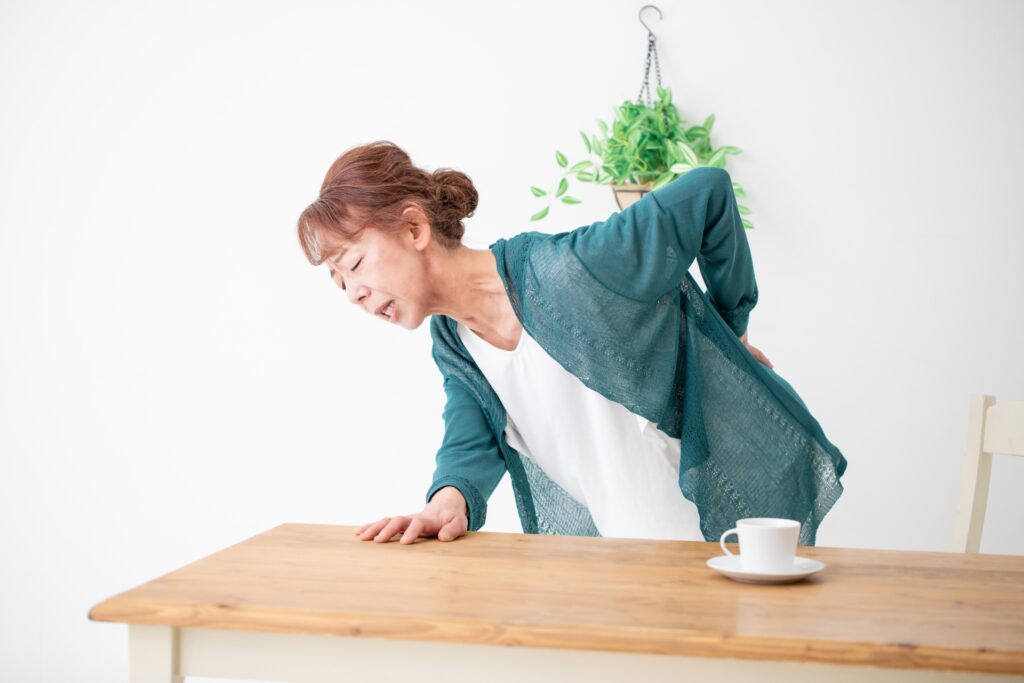
“I feel like I’ve gotten shorter.” “My back seems more rounded than it used to be.” “I fractured a bone from just a minor fall.” — These signs may indicate that osteoporosis is progressing.
Osteoporosis is a condition in which bones gradually weaken without noticeable symptoms, eventually making them prone to fractures from even minor incidents. Because a single fracture can lead to prolonged bed rest or the need for long-term care, early prevention and treatment are essential.
Keldsen Family Clinic is a family-oriented clinic offering both Psychosomatic Medicine and Internal Medicine, a 1-minute walk from ‘Oizumi Yubinkyoku’ bus stop, accessible by Seibu Bus from Oizumi-Gakuen Station. We are open on weekends and holidays and also offer telemedicine. “Going to a clinic feels a little scary” — we’d love to help you take that first step.
About Bone Health
Although bones may appear to be unchanging, hard structures, they are actually living tissue that is constantly being broken down and rebuilt through a process called “remodeling.” When this balance is disrupted and bone is broken down faster than it is rebuilt, the bones gradually become porous and fragile.
Bone density peaks in the twenties and then gradually declines with age. Women are particularly at risk because bone density drops sharply after menopause due to the decrease in estrogen (a female hormone), which significantly raises the risk of osteoporosis.
An estimated 13 million people in Japan have osteoporosis, approximately 80% of whom are women. While many people assume it is simply an inevitable part of aging, appropriate treatment and lifestyle changes can help slow bone density loss and reduce the risk of fractures.
At Keldsen Family Clinic, we leverage our integrated internal medicine services and, when bone density assessment is needed, arrange testing at partner medical facilities so we can provide ongoing treatment support.
What Is Osteoporosis?
Osteoporosis is a condition in which the amount of bone (bone density) decreases or the quality (structure) of bone deteriorates, leading to reduced bone strength and an increased susceptibility to fractures.
The main causes of osteoporosis are outlined below.
Primary Osteoporosis (Related to Lifestyle and Aging)
- Postmenopausal osteoporosis: Caused by a decrease in female hormones (the most common type)
- Age-related bone loss: Progresses in both men and women from the sixties onward
- Lifestyle factors: Insufficient calcium intake, lack of exercise, limited sun exposure, smoking, excessive alcohol consumption, extreme dieting
Secondary Osteoporosis (Caused by Other Conditions or Medications)
- Thyroid or parathyroid disorders
- Diabetes, rheumatoid arthritis, chronic kidney disease
- Long-term use of corticosteroids
- Post-gastrectomy, malabsorption syndromes
Osteoporosis is typically diagnosed using dual-energy X-ray absorptiometry (DXA). Bone density is measured at the lumbar spine and femoral neck and then compared with the young adult mean (YAM). A diagnosis of osteoporosis is made when bone density falls to 70% or below of the YAM, or when there is a history of fragility fractures.
At Keldsen Family Clinic, we arrange bone density testing at partner medical facilities for patients who may be at higher risk.
Features and Symptoms of Osteoporosis
One of the hallmarks of osteoporosis is that it typically produces few or no symptoms in its early stages. It is not uncommon for the condition to be discovered only after a fracture has occurred.
Warning Signs and Indicators of Progression
Physical Signs That May Suggest Progression
- A loss of 3 cm or more in height
- A noticeably rounded or hunched back
- Persistent pain in the back or lower back
- Pain when lifting heavy objects
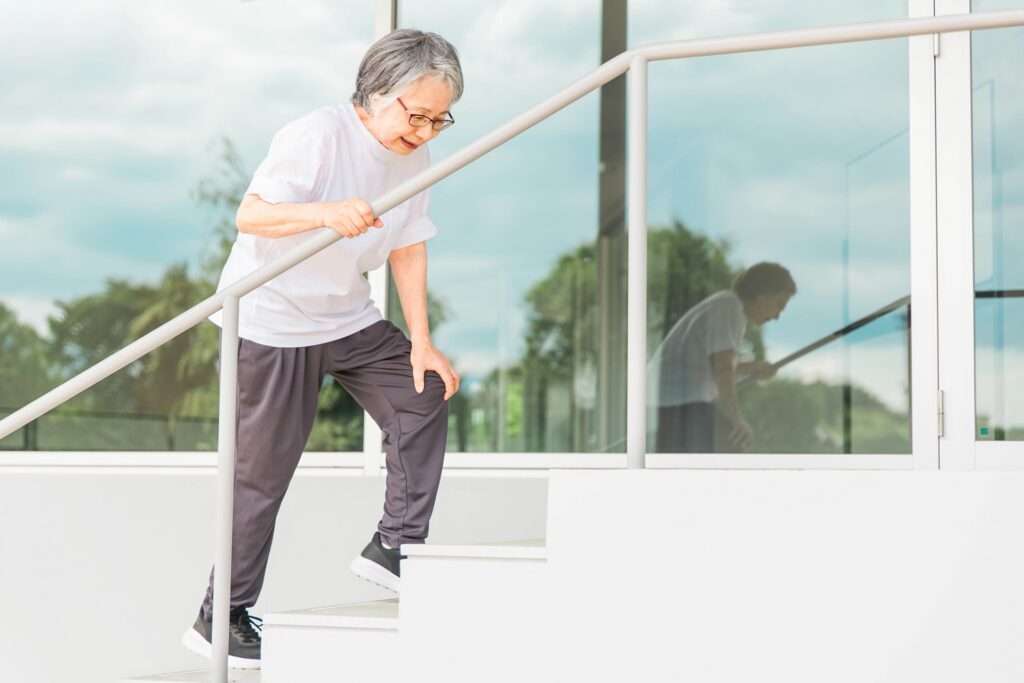
- Discomfort when standing up or walking
Common Fracture Sites
- Spine (vertebral compression fractures): These can occur without the person even realizing it
- Wrist (distal radius fractures): Often caused by falling and catching oneself with an outstretched hand
- Hip (femoral neck fractures): Caused by falls; a major contributor to prolonged bed rest
- Upper arm (proximal humerus fractures): Caused by landing on the shoulder during a fall
Consider Having Your Bone Density Measured If You
- Are a woman aged 65 or older, or a man aged 70 or older
- Are a postmenopausal woman
- Have lost 3 cm or more in height compared to your younger years
- Have fractured a bone from a minor incident
- Have a parent or sibling who has had a hip fracture
- Are underweight or have a slender build
- Have been taking corticosteroids for 3 months or longer
- Have rheumatoid arthritis, diabetes, or chronic kidney disease
- Have a history of extreme dieting
- Have been leading a sedentary lifestyle or getting limited sun exposure
Managing and Treating Osteoporosis
Treatment for osteoporosis is built on a foundation of lifestyle improvements such as diet, exercise, and sun exposure, combined with medication therapy as needed.
1. Medication Therapy
Appropriate medications are selected based on fracture risk and bone density status.
- Bisphosphonates: The most widely used class of medication for reducing bone resorption; available in oral, injectable, and intravenous forms (e.g., alendronate, risedronate, minodronic acid, zoledronic acid)
- SERMs (selective estrogen receptor modulators): Used for postmenopausal women; they mimic the bone-protective effects of estrogen
- Anti-RANKL antibody (denosumab): A subcutaneous injection given once every six months that strongly inhibits bone resorption
- Parathyroid hormone preparations (teriparatide): Stimulate new bone formation; used in severe cases
- Anti-sclerostin antibody (romosozumab): Promotes bone formation while also inhibiting bone resorption
- Active vitamin D3 preparations: Help the intestines absorb calcium more effectively
- Calcium supplements and vitamin K2 preparations: Used as adjunctive therapy
Bisphosphonates require careful attention to how they are taken (take first thing in the morning on an empty stomach, with plenty of water, and remain upright and avoid eating for at least 30 minutes afterward). Always follow your physician’s instructions.
2. Dietary Therapy
Be sure to include nutrients that support bone formation in your diet.
- Calcium: Aim for 700–800 mg per day from dairy products, small fish, soy products, and green-yellow vegetables
- Vitamin D: Helps the body absorb calcium; found in salmon, Pacific saury, and mushrooms
- Vitamin K: Improves bone quality; found in natto (fermented soybeans) and green-yellow vegetables
- Protein: Forms the foundation of bone; found in meat, fish, eggs, and soy products
- Limit salt, caffeine, and alcohol: Excessive intake can increase calcium excretion
3. Exercise Therapy
Placing moderate stress on bones helps keep them strong.
- Walking: Start with about 30 minutes per day
- Single-leg standing: Hold for 1 minute on each side, 3 times a day (improves balance and stimulates bones)
- Light squats: Stimulate the thigh muscles and pelvis
- Back-stretching exercises: Help prevent a rounded posture
The key is to continue at a comfortable pace every day.
4. Fall Prevention
Preventing fractures also means taking steps to avoid falls.
- Reduce tripping hazards at home: Watch out for loose mats, cords, and rugs
- Install handrails: In stairways, the bathroom, and near the toilet
- Ensure good lighting: Especially for nighttime trips to the bathroom
- Wear non-slip shoes and slippers
- Have your vision and hearing checked regularly
- Continue strength and balance exercises
5. Everyday Self-Care
- Get sunlight: Expose your skin to sunlight for 15–30 minutes a day (necessary for vitamin D synthesis)
- Quit smoking and limit alcohol: Both are significant contributors to bone density loss
- Maintain a healthy weight: Being underweight increases the risk of bone density loss
- Have bone density measured regularly: Even during treatment, reassessment is generally recommended approximately every two years
Osteoporosis is a condition in which fractures can be prevented through early intervention and treatment. If a health screening has indicated declining bone density, or if you are concerned about fractures in your family, please feel free to reach out to Keldsen Family Clinic. We are a 1-minute walk from ‘Oizumi Yubinkyoku’ bus stop, accessible by Seibu Bus from Oizumi-Gakuen Station, open on weekends and holidays, and offer telemedicine as well.