

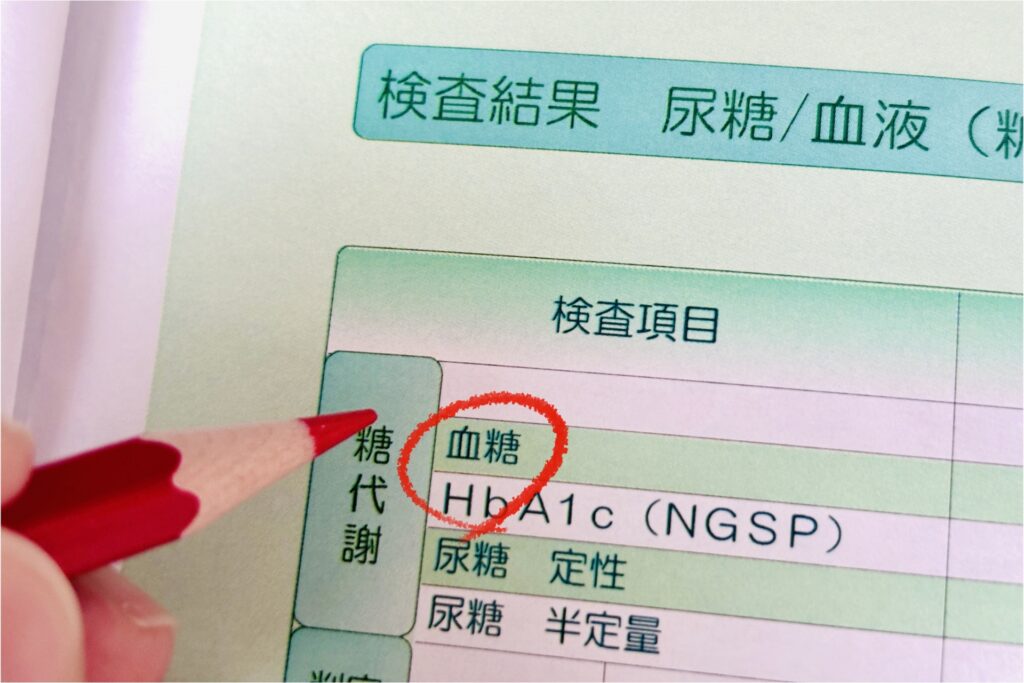
“My health checkup showed a high HbA1c.” “I’ve been feeling thirsty and going to the bathroom more often.” “There’s a family history of diabetes.” — Diabetes often progresses without noticeable symptoms, and by the time symptoms appear, complications may already be underway.
When detected early, while still in a mild stage, lifestyle adjustments can help minimize medication needs and significantly reduce the risk of complications. Rather than telling yourself “I’m probably fine,” taking action early can help protect your long-term health.
Keldsen Family Clinic offers both Psychosomatic Medicine and Internal Medicine under one roof, a 1-minute walk from ‘Oizumi Yubinkyoku’ bus stop, accessible by Seibu Bus from Oizumi-Gakuen Station. We are open on weekends and holidays and also offer telemedicine. “Going to a clinic feels a little scary” — we’d love to help you take that first step.
Please note that our clinic provides diabetes management for mild or stable cases. For severe cases requiring insulin therapy or those with acute worsening, we coordinate referrals to specialized medical facilities.
About Lifestyle-Related Diseases
Lifestyle-related diseases is a general term for conditions in which daily habits — such as diet, exercise, alcohol consumption, smoking, and stress — play a role in their onset and progression. Common examples include hypertension, diabetes, dyslipidemia, and obesity.
Each of these conditions can damage blood vessels on its own, but when multiple conditions overlap, the risk increases exponentially. Diabetes tends to develop alongside other lifestyle-related diseases and is often overlooked when present in combination.
The benefits of early intervention are substantial: it helps preserve the pancreas’s ability to produce insulin, and there is a greater likelihood that the condition can be managed through diet and exercise alone, or with minimal medication. Once the disease has progressed, more intensive treatment becomes necessary, making early action all the more important.
What Is Diabetes?

Diabetes is a condition in which blood glucose (blood sugar) levels remain elevated over time. It occurs when insulin — a hormone produced by the pancreas — becomes less effective or is produced in insufficient amounts.
There are two main types of diabetes:
- Type 1 diabetes: Caused by the destruction of insulin-producing cells in the pancreas. Insulin injections are essential.
- Type 2 diabetes: Develops through a combination of genetic predisposition and lifestyle factors. It accounts for approximately 95% of all diabetes cases in Japan.
This page focuses primarily on type 2 diabetes, which is associated with lifestyle factors.
According to the diagnostic criteria set by the Japan Diabetes Society, a person may be classified as having a diabetic pattern if any of the following are met:
- HbA1c of 6.5% or higher (an indicator of average blood sugar levels over the past 1 to 2 months)
- Fasting blood glucose of 126 mg/dL or higher
- 75 g oral glucose tolerance test (OGTT) 2-hour value of 200 mg/dL or higher
- Random blood glucose of 200 mg/dL or higher
A diabetes diagnosis is confirmed when similar values are found on retesting on a separate day. An HbA1c of 6.0% to 6.4% is considered “borderline,” indicating a prediabetic state that warrants attention.
When blood sugar levels remain elevated over time, both small and large blood vessels throughout the body can become damaged, leading to a range of complications. Bringing these levels under control early is key to preventing complications down the road.
At Keldsen Family Clinic, we begin with blood tests to assess your current condition and then take a comprehensive approach — including lifestyle habits, weight, and any coexisting lifestyle-related diseases.
Symptoms and Characteristics of Diabetes
In its mild to moderate stages, diabetes is characterized by having few, if any, noticeable symptoms. It is frequently discovered incidentally during routine health checkups, and by the time symptoms appear, complications may already be developing.
Signs That May Indicate Diabetes
Symptoms That Tend to Appear as the Condition Progresses
- Increased thirst
- Drinking more water than usual
- More frequent urination (especially at night)
- Unexplained weight loss
- Easily fatigued or feeling persistently tired
- Feeling hungry soon after eating
- Slow wound healing
- Numbness or tingling in the hands and feet
- Blurred or impaired vision
When these symptoms are present, blood sugar levels may already be significantly elevated.
Complications That Can Develop if Left Untreated
Diabetes complications are generally categorized into the “three major complications” and “macrovascular complications.”
- Diabetic retinopathy: Can lead to vision loss
- Diabetic nephropathy: The leading cause of the need for dialysis
- Diabetic neuropathy: Numbness, sensory abnormalities, and foot injuries
- Arteriosclerotic diseases: Heart attack, stroke, peripheral artery disease
- Increased risk of infections: Slow wound healing, increased susceptibility to pneumonia and other infections
- Elevated risk of periodontal disease, osteoporosis, and dementia, among others
When to Consider an Early Consultation
- Your health checkup showed an HbA1c of 6.0% or higher
- A family member has diabetes
- You have experienced sudden weight loss or increased thirst
- You were told about blood sugar abnormalities during or after pregnancy
- You have been dealing with obesity, lack of exercise, or insufficient sleep
Treatment and Management of Diabetes
Diabetes treatment is built on a foundation of dietary therapy and exercise therapy, supplemented by medication therapy as needed. The goal of treatment is to maintain HbA1c levels within a target range and prevent complications.
The Japan Diabetes Society recommends an HbA1c target of below 7.0% as a general guideline for complication prevention (individual targets may vary).
1. Dietary Therapy
Diet is the most important pillar of treatment.
- Appropriate calorie intake: Discuss target amounts with your doctor or registered dietitian based on your height and activity level
- Balanced meals: Include a main dish, protein source, and side dishes at each meal
- Start with vegetables: Eating vegetables first can help prevent rapid blood sugar spikes
- Chew slowly and thoroughly: This helps you feel full sooner and may prevent overeating
- Increase dietary fiber: Vegetables, mushrooms, seaweed, and legumes
- Reduce snacks, juice, and sugary beverages: This helps keep blood sugar fluctuations more gradual
- Keep meal times consistent: Skipping breakfast or eating late at night can disrupt blood sugar levels
2. Exercise Therapy
Exercise is an important part of treatment, as it improves insulin sensitivity and helps lower blood sugar.
- Aerobic exercise: Walking, cycling, swimming, etc. — aim for 30 minutes or more, 3 to 5 times per week
- Strength training: 2 to 3 times per week, starting with light loads
- Light exercise 30 to 60 minutes after meals: This can be effective in preventing post-meal blood sugar spikes
- If you have joint pain or heart conditions, consult your doctor to determine an appropriate exercise plan
3. Medication Therapy
When lifestyle changes alone are not enough to reach target levels, medication therapy may be considered.
- Metformin: Reduces glucose production in the liver and improves insulin sensitivity. Often the first-choice medication for many patients.
- DPP-4 inhibitors: Help control post-meal blood sugar with a lower risk of hypoglycemia
- SGLT2 inhibitors: Promote glucose excretion through urine; may also offer protective benefits for the heart and kidneys, along with weight management
- GLP-1 receptor agonists: May help suppress appetite and support weight loss. Available as both injectable and oral formulations.
- Insulin preparations: Used when pancreatic function has declined significantly
Your doctor will select the most appropriate medication based on your condition, any complications, and compatibility with other medications.
4. Monitoring Complications
Regular testing is essential for detecting the progression of complications early.
- Blood and urine tests: HbA1c, kidney function, urine albumin
- Eye exams: Approximately once a year to check for diabetic retinopathy
- Foot checks: Monitoring for wounds and numbness
- Blood pressure and lipid levels: Managing other lifestyle-related diseases in parallel
5. Self-Care in Daily Life
- Weight management: Even a 3 to 5% reduction in body weight can lead to meaningful improvements in blood sugar levels
- Sleep: Insufficient sleep can reduce insulin sensitivity
- Quit smoking: Smoking significantly accelerates the progression of complications
- Moderate alcohol consumption: Excessive drinking can destabilize blood sugar levels
- Stress management: Prolonged stress can raise blood sugar levels
Diabetes is a condition where early intervention can make a significant difference in preventing future complications. If you’ve been flagged during a health checkup, or if you’re concerned about diabetes in your family, please feel free to reach out to Keldsen Family Clinic. We are a 1-minute walk from ‘Oizumi Yubinkyoku’ bus stop, accessible by Seibu Bus from Oizumi-Gakuen Station, open on weekends and holidays, and offer telemedicine as well.