
“My blood pressure was high at my checkup.” “I’ve been getting headaches and shoulder and neck tension.” “There’s a history of high blood pressure in my family.” — Hypertension is extremely common among the Japanese population, yet because it rarely causes noticeable symptoms, it often progresses without being detected.
Left untreated, hypertension can significantly increase the risk of stroke, heart attack, kidney disease, and dementia. On the other hand, with early lifestyle adjustments and appropriate treatment, the associated risks can be substantially reduced.
Keldsen Family Clinic is a family-oriented clinic offering both Psychosomatic Medicine and Internal Medicine, a 1-minute walk from ‘Oizumi Yubinkyoku’ bus stop, accessible by Seibu Bus from Oizumi-Gakuen Station. We are open on weekends and holidays and also offer telemedicine. “Going to a clinic feels a little scary” — we’d love to help you take that first step.
About Lifestyle-Related Diseases
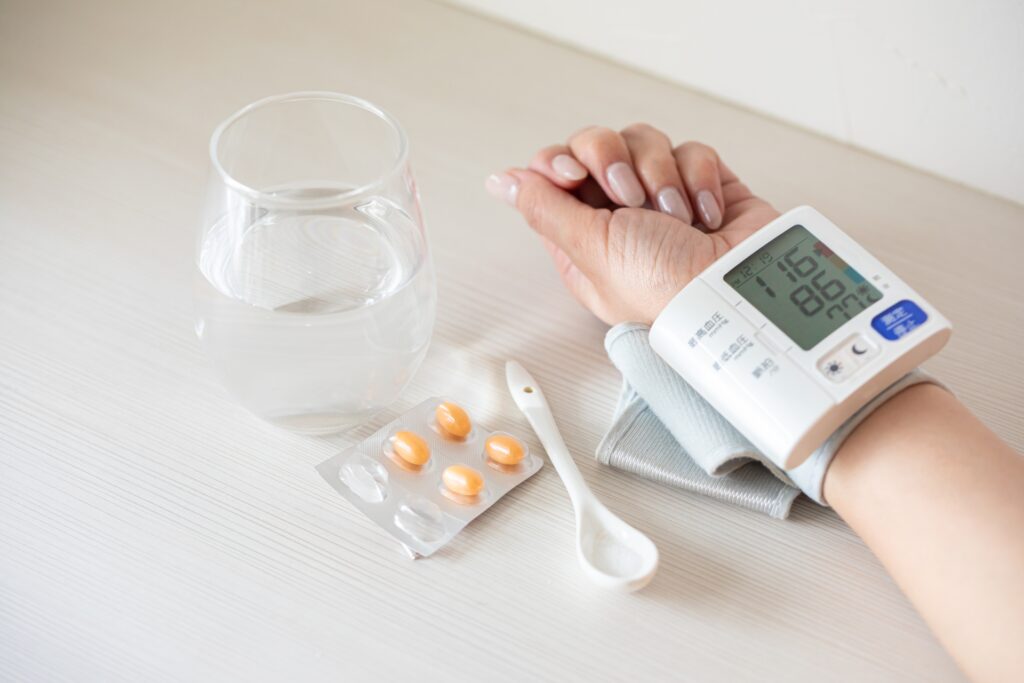
Lifestyle-related diseases are a group of conditions whose onset and progression are closely linked to everyday habits such as diet, exercise, alcohol consumption, smoking, and stress. Common examples include hypertension, diabetes, dyslipidemia (hyperlipidemia), and obesity.
Even after a lifestyle-related disease has developed, it can often be managed effectively over the long term through lifestyle changes and appropriate treatment when necessary. The key is to take action as soon as an abnormality is found on a health screening, rather than waiting for symptoms to appear.
In Japan, an estimated one in three adults is thought to have hypertension. Hypertension is often called a “silent killer” because it can quietly damage blood vessels over time without causing noticeable symptoms. If elevated blood pressure is flagged during a health checkup, we encourage you to seek medical advice early rather than leaving it unaddressed.
What Is Hypertension?
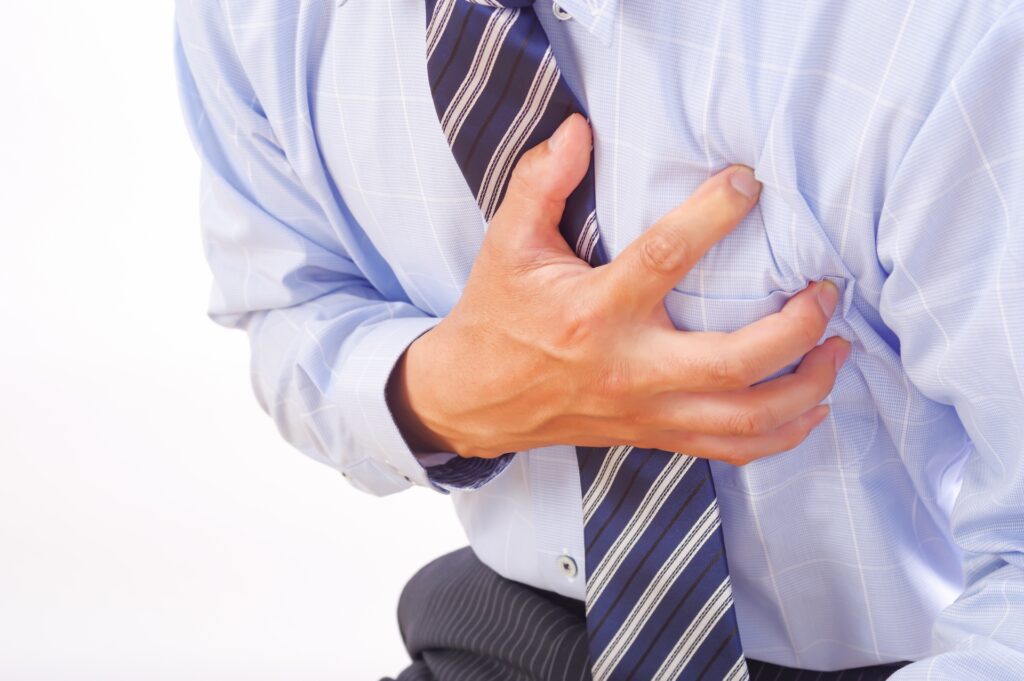
Hypertension refers to a condition in which blood pressure remains consistently elevated when measured at rest. According to the Japanese Society of Hypertension guidelines, hypertension is diagnosed when office blood pressure reaches a systolic reading of 140 mmHg or higher, or a diastolic reading of 90 mmHg or higher. For home measurements, the threshold is 135/85 mmHg or higher, and in recent years, home blood pressure readings have been given priority.
When blood pressure remains elevated over time, the inner walls of the blood vessels can become damaged, accelerating atherosclerosis. As atherosclerosis progresses, it may lead to life-threatening conditions such as cerebral infarction or cerebral hemorrhage (blockage or rupture of blood vessels in the brain), myocardial infarction (blockage of the coronary arteries), and chronic kidney disease (decline in kidney function).
The causes of hypertension fall broadly into two categories. Essential hypertension develops through a combination of genetic predisposition and lifestyle factors such as a high-salt diet, lack of exercise, obesity, alcohol consumption, smoking, and stress — and accounts for approximately 90% of all cases. Secondary hypertension is caused by an underlying condition such as kidney disease, hormonal imbalances, or sleep apnea, and may improve once the underlying cause is treated.
At Keldsen Family Clinic, we combine physical examinations with blood tests, urine tests, and other assessments to carefully evaluate the factors contributing to your condition.
Features and Symptoms of Hypertension
The most notable characteristic of hypertension is that it often produces no obvious symptoms. It is frequently discovered incidentally through health screenings or home blood pressure monitoring, and by the time symptoms do appear, the blood vessels may have already been under significant strain.
Signs to Watch For
Symptoms (or Symptoms Easily Mistaken for Other Conditions)
- Heaviness in the head or headache
- Shoulder and neck tension
- Dizziness or lightheadedness
- Palpitations or shortness of breath
- Numbness in the hands or feet
- Facial flushing
- Frequent nosebleeds
These symptoms are not unique to hypertension and may be caused by other conditions. Having no symptoms does not necessarily mean your blood pressure is within a healthy range.
Complications of Untreated Hypertension
- Cerebrovascular disease: Cerebral infarction, cerebral hemorrhage, subarachnoid hemorrhage
- Heart disease: Myocardial infarction, angina pectoris, heart failure
- Kidney disease: Chronic kidney disease, renal failure
- Arterial disease: Aortic dissection, peripheral arterial disease
- Dementia: Can develop as small blood vessel damage in the brain accumulates over time
These risks tend to increase with higher blood pressure levels and longer duration of hypertension.
When to Seek Medical Advice Early
- Elevated blood pressure was flagged during a health checkup
- Home blood pressure readings consistently exceed 135/85
- A family member has a history of hypertension, stroke, or heart attack
- A diet high in salt has been ongoing
- Loud snoring or breathing interruptions occur during sleep
- Significant stress or lack of sleep has been ongoing
Treatment and Management of Hypertension
The treatment of hypertension involves lifestyle modifications as the foundation, combined with medication therapy as needed. Depending on the severity of blood pressure elevation and the overall risk of complications, treatment may begin with medication right away or start with lifestyle changes first.
1. Lifestyle Modifications
For many people, the first step in treatment is reviewing daily habits.
- Salt reduction: Aim for less than 6 g per day; be mindful of processed foods, eating out, and soup from noodle dishes
- Maintaining a healthy weight: Target a BMI under 25
- Aerobic exercise: Walking or similar activities for 30 minutes or more, 3 to 5 times per week
- Limiting alcohol: Approximately one medium bottle of beer or one serving of sake per day as a guideline
- Quitting smoking: One of the most effective measures for reducing damage to blood vessels
- Stress management: Ensuring adequate sleep and making time for relaxation
2. Medication Therapy
When lifestyle changes alone are not enough to reach target blood pressure levels, or when the risk of complications is high, antihypertensive medications may be prescribed.
- Calcium channel blockers: Widen blood vessels to lower blood pressure
- ARBs (angiotensin II receptor blockers) / ACE inhibitors: Suppress hormonal activity to lower blood pressure
- Diuretics: Help the body eliminate excess fluid and salt
- Beta-blockers: Regulate heart rate to lower blood pressure
Your doctor will select the most appropriate medication based on your age, any existing conditions, and other medications you may be taking. Stopping medication on your own can lead to a sudden spike in blood pressure, so please always consult your doctor first.
3. Home Blood Pressure Monitoring
Home blood pressure monitoring is essential for evaluating how well treatment is working.
- Once in the morning (within 1 hour of waking, after urinating, before breakfast)
- Once in the evening (before bed)
- Record measurements twice a day on an ongoing basis
Daily home readings tend to provide a more accurate picture of blood pressure than a single measurement taken at a medical facility.
4. Managing Comorbidities
If you have diabetes, dyslipidemia, chronic kidney disease, or heart disease, blood pressure management should be carried out alongside treatment for those conditions. Because these conditions influence one another, a comprehensive approach to management is important.
5. Self-Care in Daily Life
- A Japanese-style diet: Emphasize fish, vegetables, and soy-based products
- Potassium intake: Potassium found in fruits and vegetables can help the body eliminate excess salt (consult your doctor if you have kidney disease)
- Bathing: Use lukewarm water and soak slowly; be aware of temperature differences between the changing area and the bathroom
- Sleep: Go to bed and wake up at the same time each day, aiming for 6 to 8 hours
- Weight management: Weigh yourself regularly and keep a record
Hypertension is a condition in which early action and ongoing management can significantly extend your healthy years. If you have been flagged for elevated blood pressure at a health checkup, or if hypertension runs in your family, please feel free to contact Keldsen Family Clinic. We are a 1-minute walk from ‘Oizumi Yubinkyoku’ bus stop, accessible by Seibu Bus from Oizumi-Gakuen Station, open on weekends and holidays, and also offer telemedicine.