

“I can’t seem to adjust to my new environment, and every day feels overwhelming.” “My heart races just thinking about work.” “I can’t fall asleep on Sunday nights.” If any of these sound familiar and these feelings have been lingering, you may be experiencing adjustment disorder.
Adjustment disorder is a condition in which intense stress disrupts the balance between mind and body. With early intervention, recovery can be expected. It is not a sign of “weakness” or “laziness.”
Keldsen Family Clinic is a family-friendly clinic offering both Psychosomatic Medicine and Internal Medicine, a 1-minute walk from ‘Oizumi Yubinkyoku’ bus stop, accessible by Seibu Bus from Oizumi-Gakuen Station. Open on weekends and holidays, we also offer Telemedicine. If taking that first step toward getting help feels a little intimidating, we are here to walk that path with you.
About Stress-Related Disorders
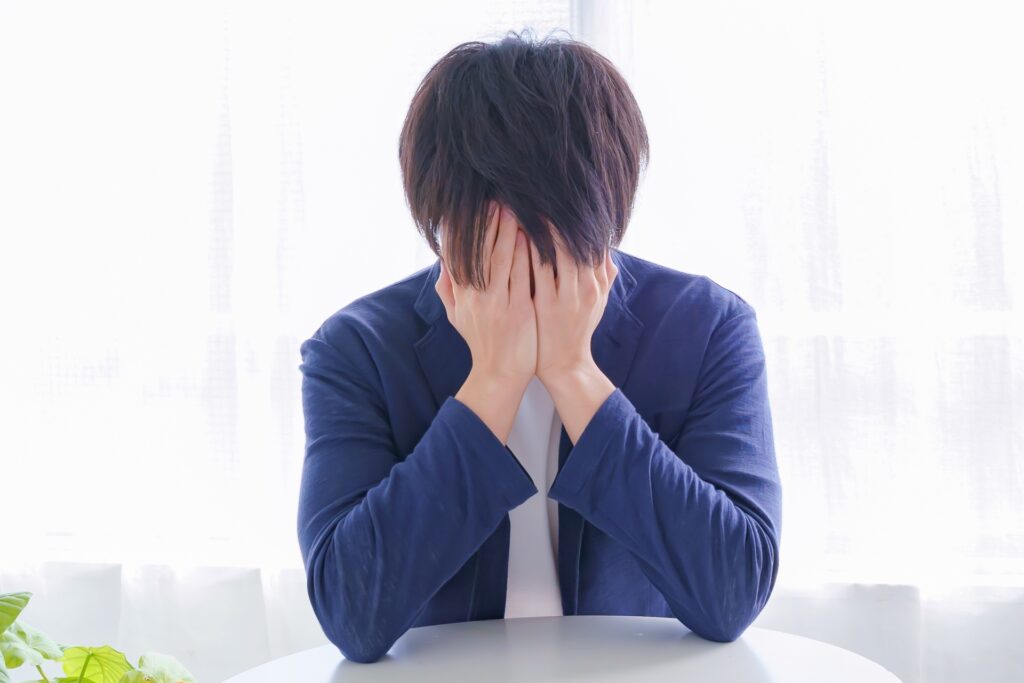
Stress-related disorders are a group of conditions in which psychological and physical symptoms arise from clearly identifiable stressors, such as work pressures, interpersonal conflicts, or changes in environment. Major examples include Adjustment Disorder, Acute Stress Disorder, and Post-Traumatic Stress Disorder (PTSD).
In modern society, the diversification of work styles and relationships has significantly changed both the types and intensity of stress people face. According to a survey by Japan’s Ministry of Health, Labour and Welfare, approximately 60% of workers report feeling strong stress related to their jobs or professional lives, and the number of patients diagnosed with adjustment disorder has increased sharply in recent years.
Individual responses to stress vary widely; even when facing the same circumstances, some people develop symptoms while others do not. Symptoms emerge through a combination of environment, personality, and past experiences, so there is no reason to blame yourself for being “too weak.”
Adjustment disorder can sometimes progress to depression without the person realizing it. By seeking help while changes are still small — such as persistent fatigue, difficulty sleeping, or a lack of motivation — you can maintain a wider range of treatment options. Recognizing the signs early and receiving appropriate care is the most direct path to recovery.
What Is Adjustment Disorder?
Adjustment disorder is a condition that develops in the presence of a clearly identifiable stressor. Emotional symptoms such as low mood or anxiety, as well as behavioral or physical symptoms, appear within 3 months of the triggering event. The severity is assessed based on whether the distress exceeds what would normally be expected given the stressor, or whether it significantly impairs daily life or work functioning.
The hallmark feature of adjustment disorder is that symptoms tend to improve when the source of stress is removed. When the person is distanced from the cause — through a job transfer, leave of absence, or similar change — recovery often occurs within a few weeks to months. However, if the person remains under ongoing stress, the condition may progress to depression.
The number of patients in Japan has been increasing year after year. One study reported an approximately 1.7-fold increase over a five-year period. Triggers vary from person to person and can include heavy workloads, workplace relationships, job transfers, school bullying, academic pressure, and family issues. As public figures have disclosed adjustment disorder as a reason for taking time off, more people have begun to realize, “Maybe that describes me, too.”
Because adjustment disorder can appear to be a reaction to changes that “should be manageable,” those affected often carry a burden of being misunderstood by others. Many blame themselves, thinking, “I just need to try harder” or “I’m being too soft about my situation.”
However, the reason some people develop symptoms under the same conditions while others do not is that factors beyond personal control — such as physical constitution, past experiences, and the person’s mental and physical reserves at the time — play a significant role. The first step toward recovery begins with shifting your perspective to “facing this as a medical condition.”
At Keldsen Family Clinic, we take the time to listen carefully — not only about your symptoms, but also about the lifestyle and physical factors behind your stress — and work with you to create a recovery plan that feels manageable.
Differences Between Adjustment Disorder and Depression
Although adjustment disorder and depression share similar symptoms, they differ in several important ways:
- Cause: Adjustment disorder has a clearly identifiable stressor, whereas depression often cannot be traced to a specific trigger.
- When the stressor is removed: Adjustment disorder symptoms tend to improve relatively quickly, while depression symptoms can persist even after circumstances change.
- Self-blame: Self-blame is relatively mild in adjustment disorder, whereas depression often involves persistent and intense feelings of guilt.
- Mood fluctuations: Adjustment disorder may involve sudden crying or outbursts of anger with significant mood swings, while depression tends to present as a persistent, all-day low mood.
However, because untreated adjustment disorder can progress to depression, early intervention is essential.
Characteristics and Symptoms of Adjustment Disorder

The symptoms of adjustment disorder manifest across three domains: mind, body, and behavior. If even one of these has been persisting, it may be time to consider consulting a specialist.
Specific Symptom Examples
Psychological Symptoms
- Low mood and feelings of sadness
- Intense anxiety, restlessness, and tension
- Increased irritability and short temper
- Becoming tearful easily
- Difficulty concentrating and making decisions
- Inability to enjoy things that are normally pleasurable
Physical Symptoms
- Headaches and shoulder and neck tension
- Fatigue and persistent exhaustion
- Stomach pain, abdominal discomfort, diarrhea, and constipation
- Heart palpitations and dizziness
- Difficulty falling asleep or waking during the night
- Loss of appetite, or overeating
Behavioral Changes Noticeable to Others
- Increased tardiness or absences
- Crying spells or sudden outbursts of anger
- Increased alcohol consumption or smoking
- Impulsive behavior (e.g., reckless driving, compulsive shopping)
- Withdrawal from social interactions
- Decline in work performance
If your symptoms ease when you are physically away from the source of stress (e.g., on weekends or days off), this may be a sign of adjustment disorder. Experiences such as “feeling down on Sunday evenings” or “feeling physically unwell on the morning of a workday” are classic examples.
Treatment and Recovery for Adjustment Disorder
Treatment for adjustment disorder is built around environmental adjustment as the top priority, combined with counseling and, when necessary, medication. Because “creating distance from the cause” is key to lasting recovery, the first step is identifying and organizing the sources of stress.
1. Environmental Adjustment
The most important aspect of treating adjustment disorder is addressing the stressor itself.
- Consider taking a leave of absence from work or school to temporarily distance yourself from the cause
- Explore changes such as a departmental transfer, job change, or school transfer
- Seek cooperation from family members, supervisors, or teachers
- Reassess relationships and workload
A Medical Certificate from your doctor can be a valuable tool when discussing your situation with your workplace or school. Not trying to handle everything alone is the first step toward recovery.
2. Psychosocial Support
- Supportive psychotherapy: A method in which you share your situation with a physician or counselor, who helps you process your feelings in a supportive, accepting environment.
- Cognitive Behavioral Therapy (CBT): A method that helps you re-examine how you perceive stress and your behavioral patterns, building stronger coping skills.
- Problem-solving therapy: A method in which you work together with a therapist to organize specific problems and develop practical coping strategies.
At Keldsen Family Clinic, we listen carefully during your consultation and guide you toward the most suitable psychotherapeutic approach when appropriate.
3. Medication (Symptomatic Treatment)
Adjustment disorder is fundamentally not a condition treated with medication alone. However, when symptoms are particularly distressing, the following medications may be used on a temporary basis:
- Anxiolytics: For severe anxiety, tension, and restlessness
- Sleep aids: For difficulty falling asleep or middle-of-the-night awakenings
- Antidepressants: When depressive symptoms are pronounced or prolonged
Medication serves as a supportive tool to help ease symptoms. Environmental adjustment and counseling remain the core of treatment.
4. Support at Home and School
The support of family members and those around you is a powerful force in promoting recovery.
- Instead of saying “Hang in there” or “Tough it out,” offer words like “Don’t push yourself too hard”
- Respect the person’s choices (such as taking a break or leaving a position)
- Help maintain a regular daily routine
- Family members themselves should also have someone they can talk to about their own feelings
5. Self-Care in Daily Life
Self-care practiced alongside treatment provides an essential foundation for restoring balance to both mind and body.
- Sleep: Wake at the same time each day, get morning sunlight, and avoid screens and caffeine before bed
- Exercise: Light aerobic activities such as walking or yoga can help refresh your mood
- Diet: Aim for three balanced meals a day, eating in moderation
- Relaxation: Find your own way to unwind — hobbies, nature, music, a warm bath
Please do not feel guilty about resting. Rest is a necessary part of the recovery process.
Adjustment disorder is a condition from which recovery can be expected with appropriate care. Rather than carrying the burden alone, please feel free to reach out to Keldsen Family Clinic. We are a 1-minute walk from ‘Oizumi Yubinkyoku’ bus stop, accessible by Seibu Bus from Oizumi-Gakuen Station, open on weekends and holidays, and offer Telemedicine as well.