

“My anxiety won’t go away, even without a clear reason.” “I can’t sleep because I worry about the smallest things.” “My body feels tense all the time.” — If you’ve been experiencing feelings like these for six months or more, it may be a sign of generalized anxiety disorder (GAD).
Generalized anxiety disorder is a condition in which excessive, hard-to-control worry about everyday matters persists over a long period. With appropriate treatment, improvement can be expected — this is not simply a matter of being a “worrier” or “overthinking things.”
Keldsen Family Clinic is a family-oriented clinic offering both Psychosomatic Medicine and Internal Medicine, a 1-minute walk from ‘Oizumi Yubinkyoku’ bus stop, accessible by Seibu Bus from Oizumi-Gakuen Station. We are open on weekends and holidays and also offer telemedicine. “Going to a clinic feels a little scary” — we’d love to help you take that first step.
About Anxiety Disorders

Anxiety disorders are a group of conditions characterized by excessive anxiety or fear that persists over a long period and interferes with daily life. Common examples include generalized anxiety disorder, panic disorder, social anxiety disorder, and obsessive-compulsive disorder.
Anxiety is a natural human emotion — it helps us detect danger and protect ourselves. However, when that anxiety becomes constantly overwhelming and impossible to control on your own, it places a significant burden on both your mind and body, eventually disrupting your daily life. Anxiety disorders are thought to result from an overactive anxiety-processing system in the brain — they are by no means a “character flaw.”
According to Japan’s Ministry of Health, Labour and Welfare, a substantial number of people in Japan are estimated to have anxiety disorders, yet many cases go unrecognized — dismissed as “just being a worrier” — and never reach a clinic. Recognizing the signs early and receiving proper care is the quickest path to recovery.
Anxiety disorders are also known to frequently co-occur with depression. When anxiety persists over a long period, it can lead to a tendency toward low mood or loss of motivation. Seeking help while the issue is “just anxiety” can shorten the overall time to recovery.
What Is Generalized Anxiety Disorder?
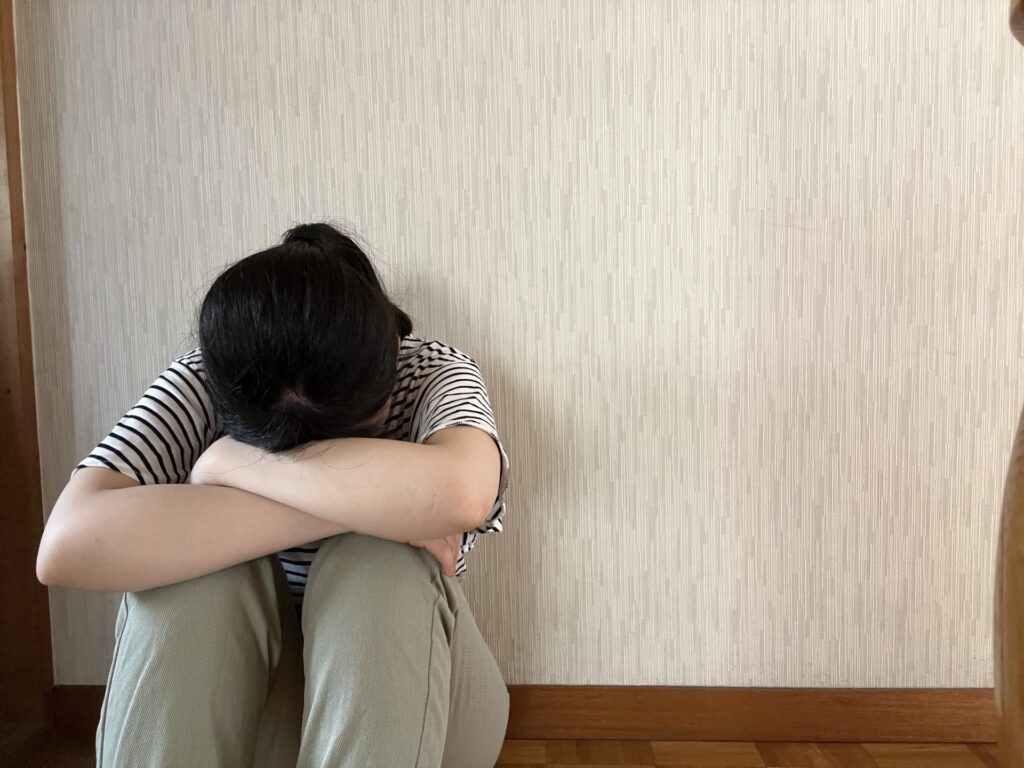
Generalized anxiety disorder (GAD: Generalized Anxiety Disorder) is a condition in which excessive, uncontrollable worry about a wide range of everyday events and activities persists nearly every day for six months or more. It can be described as a state where worry goes beyond ordinary concern and comes to dominate your entire life.
The subjects of worry are wide-ranging: mistakes at work, a family member’s health, finances, the future, a slight delay, the weather, something in the news — and more. Even when you know you’re “overthinking it,” the thoughts won’t go away, and a constant sense of tension remains.
This psychological anxiety also manifests as physical symptoms. It is not uncommon for a combination of issues to appear, including chronic muscle tension, headaches, fatigue, palpitations, sweating, dry mouth, dizziness, and insomnia.
Generalized anxiety disorder is among the least well-known of the anxiety disorders, and many people go years without realizing they have it, simply thinking of themselves as “just a worrier.” However, improvement can be expected through cognitive behavioral therapy and medication.
It is also not uncommon for physical symptoms — such as palpitations, dizziness, headaches, or stomach discomfort — to appear first, leading to repeated visits to an internist before an anxiety disorder is identified. When tests show no abnormalities yet your health issues persist, it is important to consider the possibility of an emotional component as well.
At Keldsen Family Clinic, we take advantage of having Internal Medicine alongside Psychosomatic Medicine to evaluate both physical and emotional symptoms together.
Characteristics and Symptoms of Generalized Anxiety Disorder
The symptoms of generalized anxiety disorder appear across three dimensions: emotional, physical, and effects on sleep and daily life.
Specific Symptom Examples
Emotional Symptoms
- Vague, hard-to-explain anxiety without a clear cause
- Excessive worry across many areas (work, health, family, finances, etc.)
- Difficulty concentrating or thinking clearly
- A tendency to expect the worst
- Increased irritability
- A persistent sense of tension that won’t ease
Physical Symptoms
- Muscle tension (shoulder and neck tension, back stiffness)
- Palpitations and shortness of breath
- Sweating and trembling in the hands or feet
- Dizziness or lightheadedness
- Headaches and shoulder and neck tension
- Dry mouth, nausea, or stomach discomfort
- Persistent fatigue and exhaustion
Effects on Sleep and Daily Life
- Difficulty falling asleep or waking up during the night
- Not feeling rested after sleep
- Being easily startled by small sounds
- Inability to relax even on days off
- Reduced efficiency at work or with household tasks
A key characteristic is that the specific subject of worry may change from day to day, yet there is always “something” to worry about. In some cases, physical symptoms are the most prominent, and an anxiety disorder is identified only after the person has been visiting an internist.
Treatment and Recovery Options for Generalized Anxiety Disorder
Treatment for generalized anxiety disorder is generally most effective when cognitive behavioral therapy and medication are combined. There is no need to rush — the key is to work with your doctor to find the approach that suits you best.
1. Medication
The first-line medications for generalized anxiety disorder are SSRIs (selective serotonin reuptake inhibitors) and SNRIs (serotonin-norepinephrine reuptake inhibitors), which are types of antidepressants. These medications can be effective not only for depression but also for anxiety symptoms, and because they are suitable for longer-term use, they are recommended in both domestic and international guidelines. It typically takes about 2 to 4 weeks for their effects to become noticeable.
When severe anxiety or insomnia is present, anti-anxiety medications or sleep aids may be used on a supplementary basis. However, due to the risk of dependence, long-term continuous use is generally avoided, and they are prescribed for short periods as needed.
2. Psychosocial Support
- Cognitive Behavioral Therapy (CBT): A method for identifying and adjusting the thought patterns and behavioral habits that generate anxiety. It is positioned as a first-line psychological treatment in clinical guidelines.
- Supportive Psychotherapy: A process of talking with a doctor to organize your situation and regain a sense of security.
- Relaxation Techniques: Methods such as breathing exercises and progressive muscle relaxation that help release physical tension.
At Keldsen Family Clinic, we take the time to listen carefully during consultations and, when appropriate, provide guidance on psychotherapy options.
3. Strategies for the Workplace or School
- If you feel overwhelmed by certain tasks or assignments, communicate this early
- Make a conscious effort to take breaks
- Share your situation with a trusted supervisor, colleague, or teacher
- Consider taking a leave of absence from work or school if needed
A medical certificate can be an important tool for communicating your situation to your workplace or school.
4. Strategies for Home Life
- Accept the person’s worries without dismissing them
- Avoid saying things like “you’re overthinking it” or “just stop worrying”
- Spend time together doing light activities like going for a walk
- Make sure family members also have someone they can talk to about their own feelings
5. Self-Care in Daily Life
- Sleep: Go to bed and wake up at the same time each day; avoid screens and caffeine before bed
- Exercise: Light aerobic activities such as walking or yoga have been reported to help reduce anxiety
- Diet: Maintain regular meals; reduce caffeine and alcohol intake
- Breathing exercises: Simply breathing out slowly and deeply can help regulate your autonomic nervous system
Anxiety is not something to be eliminated entirely — it is something to learn to live with. Be kind to yourself and take recovery one step at a time.
Generalized anxiety disorder is a condition for which symptom relief can be expected with appropriate treatment. You don’t have to face it alone — please feel free to reach out to Keldsen Family Clinic. We are a 1-minute walk from ‘Oizumi Yubinkyoku’ bus stop, accessible by Seibu Bus from Oizumi-Gakuen Station, open on weekends and holidays, and offer telemedicine as well.