

“I get a throbbing pain in my head.” “My head feels heavy along with shoulder and neck tension.” “The pain keeps coming back even after I take over-the-counter medication.” — Chronic headaches like these may be a sign of migraine or tension-type headache.
Headaches are often dismissed as something to just push through, but with proper diagnosis and treatment, they can be managed effectively to significantly improve your quality of life. There is also a condition called “medication-overuse headache,” where continued use of over-the-counter pain relievers can actually make headaches worse. If you experience recurring headaches, we recommend seeking a professional evaluation early.
Keldsen Family Clinic offers both Psychosomatic Medicine and Internal Medicine under one roof, a 1-minute walk from ‘Oizumi Yubinkyoku’ bus stop, accessible by Seibu Bus from Oizumi-Gakuen Station. We are open on weekends and holidays and also offer telemedicine. “Going to a clinic feels a little scary” — we’d love to help you take that first step.
About Chronic Headaches
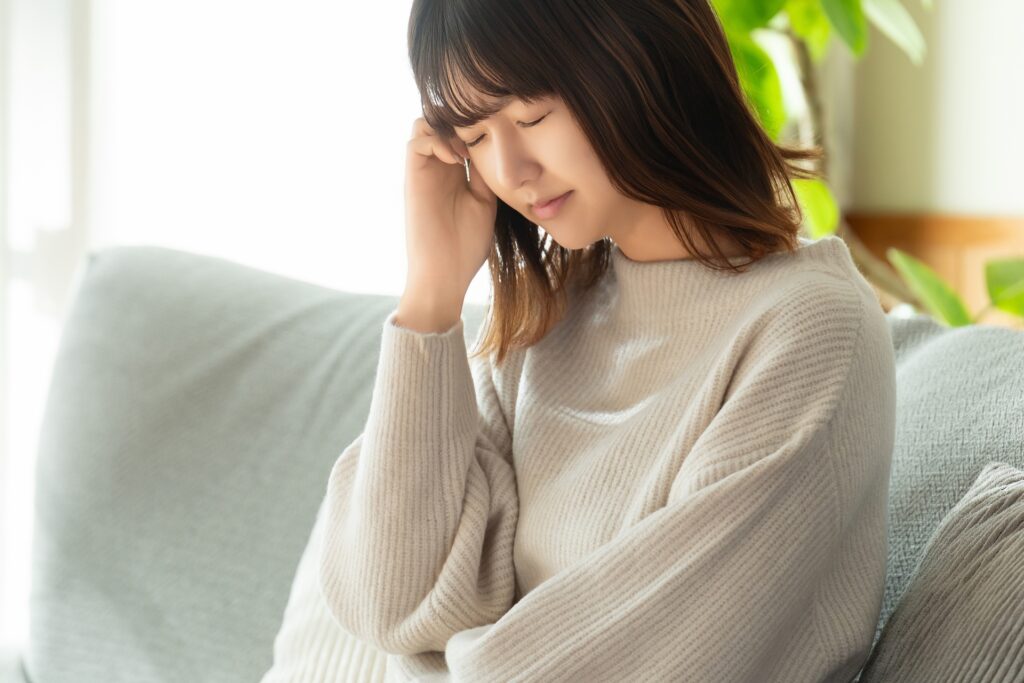
Headaches are broadly classified into primary headaches and secondary headaches based on their cause.
- Primary headaches: Conditions such as migraine, tension-type headache, and cluster headache, where the headache itself is the disorder
- Secondary headaches: Headaches caused by another underlying condition, such as brain tumors, subarachnoid hemorrhage, meningitis, or sinusitis
This page focuses on the most commonly encountered primary chronic headaches — migraine and tension-type headache.
However, headaches that are “different from usual,” “the most intense pain you’ve ever experienced,” or “gradually worsening” may indicate a life-threatening secondary headache. If you experience a headache accompanied by slurred speech, paralysis in the arms or legs, or changes in consciousness, seek emergency care immediately.
At Keldsen Family Clinic, we begin with a thorough medical interview and examination to ensure that secondary headaches are not overlooked. When necessary, we refer patients to affiliated medical facilities for imaging studies.
What Are Migraine and Tension-Type Headache?
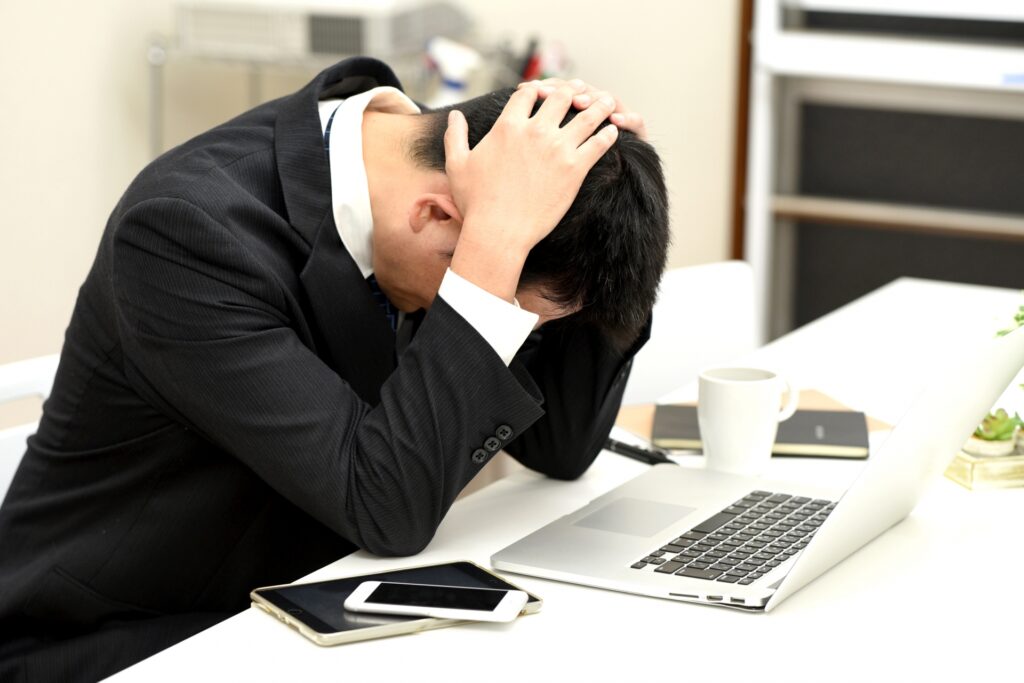
Migraine
Migraine is a headache characterized by throbbing, pulsating pain that affects one or both sides of the temples, forehead, or back of the head. In Japan, approximately 8% of adults are reported to experience migraine, and it is particularly common among women in their 20s to 40s.
Key features:
- Episodes lasting 4 to 72 hours
- Pain that worsens with head movement or physical activity
- May be accompanied by nausea or vomiting
- Increased sensitivity to light, sound, and smells
- Some people experience a visual aura (zigzag lights in the field of vision) before an episode
- Episodes may be more likely around the time of menstruation
If left unmanaged, migraine may become chronic, occurring multiple times a month, or lead to “medication-overuse headache” from excessive use of over-the-counter pain relievers.
Tension-Type Headache
Tension-type headache is characterized by a dull, pressing sensation as if the entire head is being squeezed. It is the most common type of chronic headache.
Key features:
- Mild to moderate pain lasting from tens of minutes to several days
- Pain that is bearable enough to continue working or doing household tasks
- Often accompanied by shoulder and neck tension
- Not worsened by physical activity
- Tends to improve with bathing or massage
Prolonged computer use, smartphone use, stress, and poor posture are common contributing factors. Improvements in daily habits may lead to significant relief.
When Migraine and Tension-Type Headache Coexist
In fact, migraine and tension-type headache frequently coexist. Treatment plans are tailored according to the individual’s headache patterns. It is not uncommon for someone who assumed their headaches were caused by shoulder and neck tension to find out they actually have migraine.
Headache Characteristics and Symptoms
The type of headache you experience determines the symptoms and the appropriate approach to care.
Specific Symptom Examples
Signs of Migraine
- Throbbing, pulsating pain
- Pain on one side of the temples (can affect both sides)
- Pain that worsens with movement
- Nausea or vomiting
- Increased sensitivity to light, sound, and smells
- Zigzag lights in the field of vision before an episode (visual aura)
- Triggered by menstruation, lack of sleep, or weather changes
Signs of Tension-Type Headache
- A dull, pressing sensation affecting the entire head
- Stiffness from the back of the head to the neck and shoulders
- Not worsened by movement
- May persist for several days
- Tends to improve with bathing or massage
- Worsened by computer work or emotional stress
Warning Signs of a “Dangerous Headache” Requiring Emergency Care
The following types of headache may indicate a life-threatening condition. Seek emergency care immediately.
- Sudden, severe headache (like being struck on the head)
- The most intense pain you have ever experienced
- A headache that gradually worsens over time
- Accompanied by fever, vomiting, or changes in consciousness
- Accompanied by slurred speech, paralysis, or numbness in the arms or legs
- A headache occurring for the first time after age 50
Treatment and Management of Headaches
Headache treatment involves a combination of acute medication for episodes, preventive medication, and lifestyle modifications, tailored to the type of headache.
1. Medication Therapy
Medications for Migraine
- Triptans: A targeted treatment for migraine episodes. Most effective when taken early at the onset of pain (e.g., sumatriptan, zolmitriptan)
- NSAIDs (nonsteroidal anti-inflammatory drugs): For mild to moderate pain
- Antiemetics: Used alongside other medications when nausea is present
- Preventive medications: For those with frequent episodes, options may include antiepileptic drugs, beta-blockers, calcium channel blockers, and anti-CGRP antibody agents
Medications for Tension-Type Headache
- NSAIDs (nonsteroidal anti-inflammatory drugs): Taken as needed for strong pain
- Muscle relaxants: When shoulder and neck stiffness is pronounced
- Antidepressants (low dose): May be used for the prevention of chronic tension-type headache
2. Awareness of Medication-Overuse Headache
When over-the-counter headache medication is used 10 or more days per month, it can lead to a new type of headache called “medication-overuse headache.” This creates a cycle where pain relievers become less effective and headaches become more frequent.
If you find yourself taking headache medication frequently, please consult a physician rather than continuing on your own. In many cases, improvement can be expected by discontinuing the overused medication under medical guidance.
3. Lifestyle Modifications
Maintaining a regular lifestyle rhythm can be effective in preventing headaches.
- Consistent sleep schedule: Both too little and too much sleep can trigger migraine
- Regular meals: Skipping meals can be a trigger
- Moderate exercise: Helps prevent shoulder and neck tension
- Stress management: Make time for relaxation
- Posture improvement: Review your posture during computer and smartphone use
- Track your triggers: Use a headache diary to identify your personal patterns
4. Tips for Work and Daily Life
- Avoid staying in the same position for extended periods
- Take a break and stretch at least once every hour
- Minimize exposure to bright lights and loud noise (especially for those with migraine)
- Keep the neck and shoulders warm
- Maintain a regular daily routine
5. Self-Care Tips
- During a migraine episode: Rest in a dark, quiet room. Applying a cold compress may help.
- For tension-type headache: Warm the shoulders and neck, do gentle stretches, or take a bath
- Headache diary: Record when headaches occur, the circumstances, and how long they last
- Caffeine: A moderate amount may help relieve migraine, but excessive intake can have the opposite effect
Headaches are not something you simply have to endure — they are treatable. If you have been managing with over-the-counter medication, or if you are troubled by recurring headaches, please feel free to reach out to Keldsen Family Clinic. We are a 1-minute walk from ‘Oizumi Yubinkyoku’ bus stop, accessible by Seibu Bus from Oizumi-Gakuen Station, open on weekends and holidays, and offer telemedicine as well.