

“They keep telling the same story over and over.” “They can’t remember the names of everyday things.” “They’ve started getting lost when they go out.” — If you’ve noticed changes like these, we encourage you to seek an early consultation. Dementia is a condition where early detection and early intervention can help slow progression and maintain quality of life.
There are several types of dementia, each with different symptoms and treatment approaches. Rather than assuming that memory loss always means Alzheimer’s disease, it is important to receive a proper diagnosis.
Keldsen Family Clinic is a family-oriented clinic offering both Psychosomatic Medicine and Internal Medicine, a 1-minute walk from ‘Oizumi Yubinkyoku’ bus stop, accessible by Seibu Bus from Oizumi-Gakuen Station. We are open on weekends and holidays and also offer telemedicine and home visit care. Both patients and family members are welcome to reach out — even if it’s just a family member who would like to talk first.
About Dementia
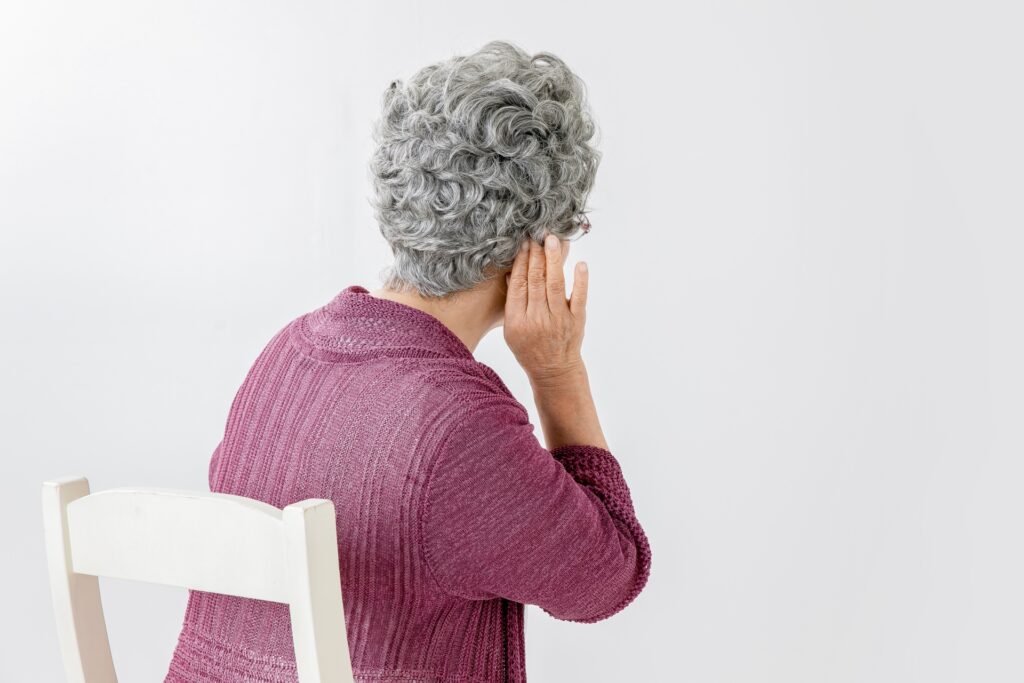
Dementia refers to a state in which previously acquired cognitive functions — such as memory, judgment, language, and attention — decline due to pathological changes in the brain, causing difficulties in daily and social life. Unlike the natural forgetfulness that comes with aging, dementia is rooted in underlying disease processes.
The number of people with dementia in Japan continues to rise alongside an aging population. According to Japan’s Ministry of Health, Labour and Welfare, the estimated number of people aged 65 and older living with dementia is in the millions. Among those in their late 80s, roughly half may be in a state of dementia — it is by no means a rare condition.
Dementia is broadly classified into four types based on the underlying brain disease. Because each type differs in how symptoms present and how treatment is approached, early specialized assessment can make a significant difference in the course of one’s daily life.
It is also worth noting that there are conditions that mimic dementia symptoms but may be treatable. Common examples include hypothyroidism, vitamin B12 deficiency, depression, chronic subdural hematoma, and medication side effects. For this reason, it is important to visit a healthcare provider at the first sign of memory concerns so the underlying cause can be properly identified.
At Keldsen Family Clinic, we leverage the combined strengths of our Psychosomatic Medicine, Internal Medicine, and home visit care services to provide community-based support for both patients and their families.
What Is Dementia?

Dementia is broadly classified into four types based on the underlying disease. Each type has characteristic symptoms, and treatment strategies differ accordingly.
- Alzheimer’s disease: Amyloid-beta proteins accumulate in the brain, damaging nerve cells and causing brain atrophy. This is the most common type, accounting for roughly half of all dementia cases.
- Vascular dementia: Nerve cells are damaged by cerebrovascular events such as stroke or cerebral hemorrhage. This type is closely linked to lifestyle-related conditions such as hypertension and diabetes.
- Lewy body dementia: Caused by the accumulation of Lewy body proteins in the brain. Characteristic features include visual hallucinations, tremor and other parkinsonian symptoms, and fluctuations in cognitive function.
- Frontotemporal dementia: Caused by atrophy of the frontal and temporal lobes. Notable for personality and behavioral changes, such as difficulty controlling emotions and following social norms.
These types can occur individually or in combination. In addition, conditions such as depression and hypothyroidism can produce memory-related symptoms, making it important to differentiate dementia from “treatable causes of memory loss.”
Key Differences Among the Four Types
- Alzheimer’s disease: Forgetting recent events is the most prominent early symptom. The most common type of dementia, with a slow, gradual progression
- Vascular dementia: Tends to present with slowed movement and uneven symptoms. Closely linked to lifestyle-related conditions such as hypertension and diabetes, with a stepwise pattern of progression
- Lewy body dementia: Characterized by visual hallucinations, tremor, and fluctuations in cognitive function. Parkinsonian symptoms are commonly present
- Frontotemporal dementia: Personality and behavioral changes tend to appear before memory loss. May develop at a relatively younger age (50s to 60s)
Symptoms and Features of Dementia
The symptoms of dementia manifest across three areas: core symptoms (direct decline in brain function), behavioral and psychological symptoms, and impact on daily life.
Specific Symptom Examples
Core Symptoms
- Inability to retain recent events (memory impairment)
- Losing track of time, place, or people (disorientation)
- Difficulty with planning and decision-making (executive dysfunction)
- Trouble finding or understanding words (aphasia)
- Inability to perform familiar actions (apraxia)
- Difficulty recognizing what is being seen (agnosia)
Behavioral and Psychological Symptoms of Dementia (BPSD)
- Anxiety and depressed mood
- Irritability and increased anger
- Wandering and getting lost outside
- Visual hallucinations and delusions (e.g., “Someone stole my wallet”)
- Nighttime delirium
- Resistance to care
Impact on Daily Life
- Difficulty with shopping, cooking, and managing finances
- Inability to manage medications
- Disruption in the sequence of household tasks
- Forgetting appointments with others
- Getting lost while driving; increased accident risk
- Needing assistance with bathing and dressing
It is often family members, rather than the individual, who first notice changes — this is a hallmark of dementia. Changes that may seem like “just getting older” can sometimes be early signs of dementia. If you notice any concerning changes, we recommend scheduling an early appointment.
Treatment and Management of Dementia
Treatment for dementia involves a combination of medication, non-pharmacological therapies, environmental adjustments, and family support. While there is currently no medication that can cure the underlying disease, early intervention can help slow progression and extend the time spent living comfortably.
1. Medication
Dementia medications are broadly divided into those that target core symptoms and those that address behavioral and psychological symptoms.
- Cholinesterase inhibitors (donepezil, galantamine, rivastigmine): Help slow the progression of Alzheimer’s disease and Lewy body dementia
- NMDA receptor antagonist (memantine): Used for moderate-to-severe Alzheimer’s disease
- Anti-amyloid-beta antibodies (lecanemab, etc.): May slow the progression of early-stage Alzheimer’s disease (available to eligible patients)
- Anxiolytics, antidepressants, and sleep medications: Used to manage behavioral and psychological symptoms such as anxiety, depression, and insomnia
Because different medications are effective for different types of dementia, accurate diagnosis and individualized prescribing are essential. For vascular dementia, managing underlying conditions such as hypertension and diabetes is also a key part of treatment.
2. Psychosocial Support (Non-Pharmacological Therapies)
- Cognitive rehabilitation: Exercises targeting memory and attention to stimulate the brain
- Reminiscence therapy: Sharing memories from the past to engage the mind and emotions
- Music therapy and occupational therapy: Using familiar music and hands-on activities to encourage emotional well-being and motivation
- Reality orientation training: Repeated reinforcement of time, place, and other contextual information
3. Medical and Care Coordination
Dementia is a condition that requires long-term management. Coordination between medical care, nursing care, and community resources is essential.
- Primary care physician and specialist coordination: Regular check-ups and ongoing status monitoring
- Community comprehensive support centers: A point of contact for long-term care insurance applications and service consultations
- Care managers: Develop care plans and coordinate services
- Day services and home nursing: Resources that support daily living and caregiving
At Keldsen Family Clinic, we provide home visit care, so patients who have difficulty coming to the clinic can continue to receive treatment in the comfort of their own home.
4. Family Support at Home
The way family members interact with a loved one can greatly affect that person’s quality of life.
- Respect the person’s dignity and avoid dismissing or correcting them harshly
- Rather than blaming them for forgetting, try to acknowledge their feelings in the moment
- Organize the living environment (fall prevention measures, reminder notes, clocks, calendars)
- Avoid carrying the burden alone — seek support from professionals and family support groups
- Caregivers should also make sure to get adequate rest
The health of caregivers is the most important resource for sustaining home-based care.
5. Self-Care and Prevention in Daily Life
The following lifestyle habits may help reduce the risk of developing dementia and are recommended as proactive measures, particularly from the mild cognitive impairment stage onward.
- Exercise: Aerobic activities such as walking may help reduce dementia risk
- Diet: A balanced diet with moderate salt, sugar, and fat intake, and plenty of fish, vegetables, and fruit
- Social engagement: Interaction with others, hobbies, and volunteer activities provide cognitive stimulation
- Management of lifestyle-related conditions: Early treatment of hypertension, diabetes, and dyslipidemia is directly linked to the prevention of vascular dementia
- Quality sleep: Sleep is believed to play a role in the brain’s detoxification process, which may be related to dementia prevention
Dementia is a condition where early intervention and support from family and community can help extend the time spent living comfortably. Rather than carrying the burden alone, please feel free to reach out to Keldsen Family Clinic. We are a 1-minute walk from ‘Oizumi Yubinkyoku’ bus stop, accessible by Seibu Bus from Oizumi-Gakuen Station, open on weekends and holidays, and offer telemedicine and home visit care.